Why every app we launch comes with its own website
It is tempting to think of the website as the last, easy step: the app is the hard part, and the website is a page with a button on it. In our experience it works the other way round. The website is where most people meet the app for the first time, and it decides whether they ever open it.
People search for the problem, not the app
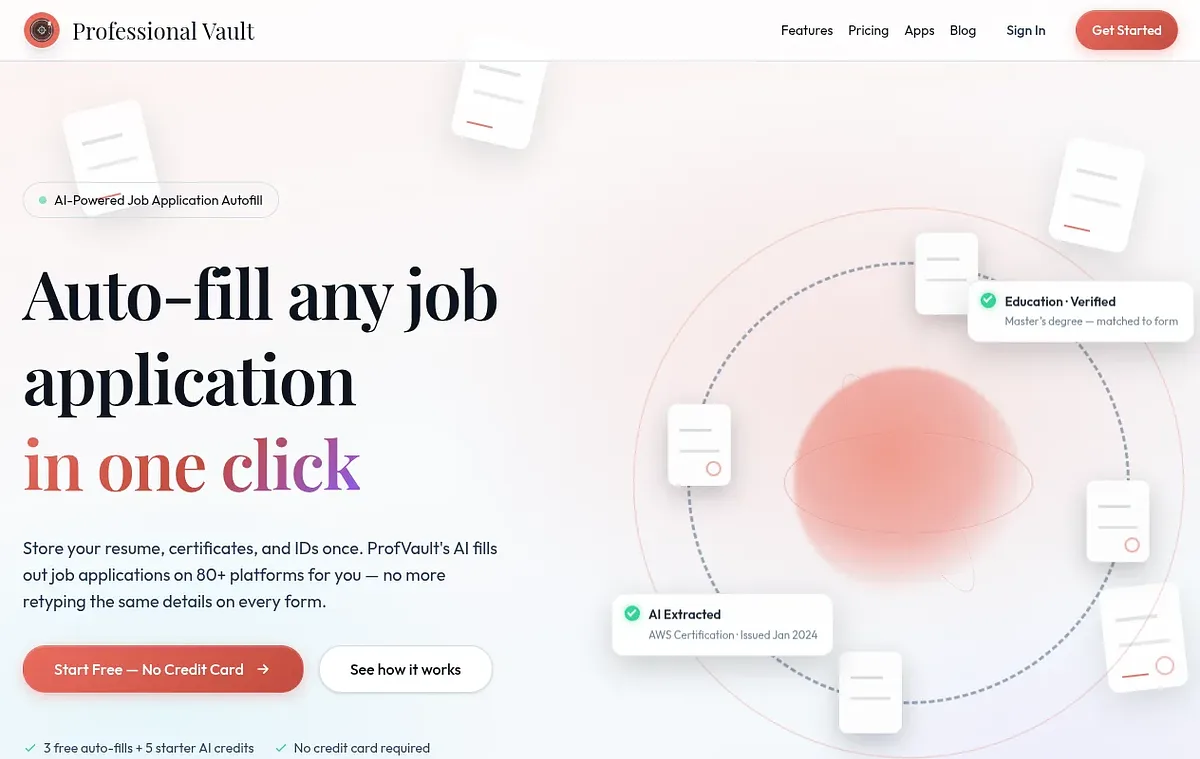
Nobody searches for "Wanderply." They search for things like "Utah road trip plan" or "what to see between Zion and Bryce." Nobody searches for "ProfVault." They search for a faster way to fill in job applications. A website with clear pages about the problem is how a new app gets found before anyone knows its name.
AI assistants are now part of search
More and more people ask ChatGPT, Gemini or Perplexity instead of typing into a search box. Those assistants answer from pages they can read and trust. A launch website gives them something to read: a plain statement of what the app does, answers to common questions, and structured data that names the app, its maker and its purpose. We add that structure on every site we launch, along with an llms.txt file that gives AI tools a map of the site.
The website explains what the app shouldn't have to
Inside an app, every screen should be about doing the job. Questions like "Is it free?", "Does it work on my phone?" or "Who is behind this?" belong on the website. Answering them there keeps the app itself simple.
It gives the app a voice
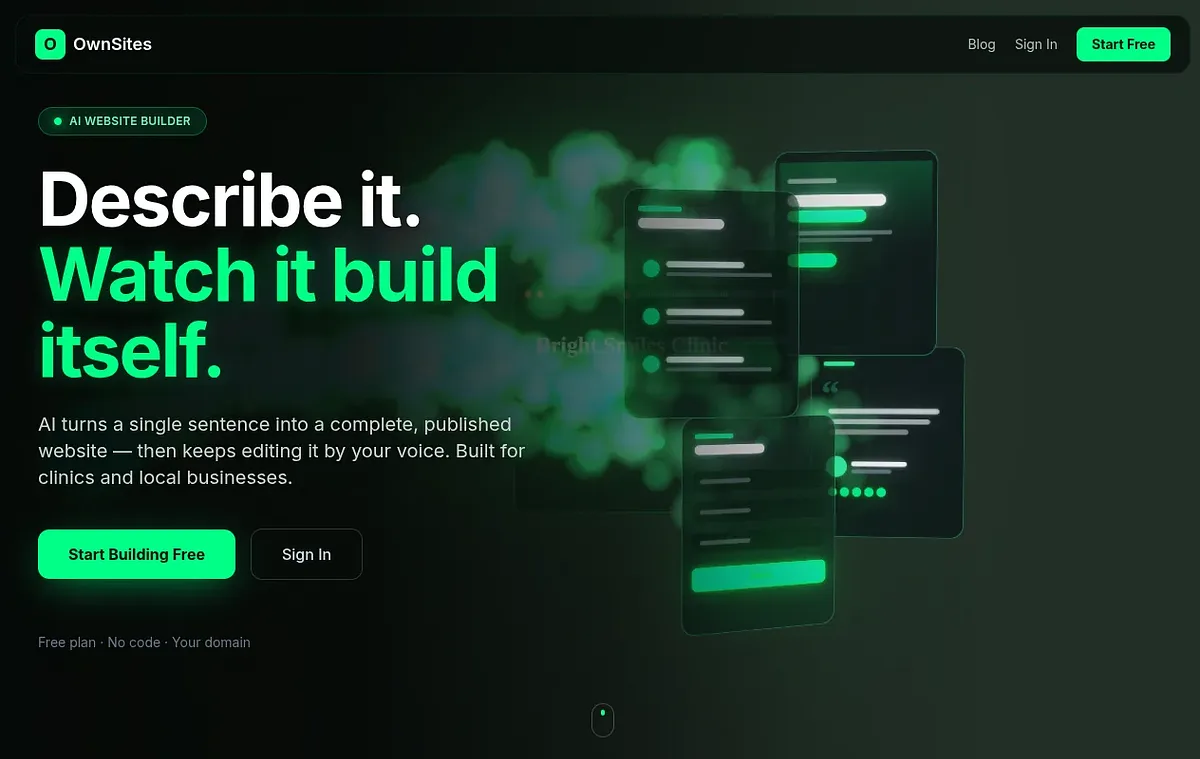
Each of our apps has its own look and tone. OwnSites is dark with neon green. ProfVault is soft coral with serif headlines. Homeroom looks like graph paper. The website is where that identity is set, and the app inherits it.
How we build launch websites
We build them on OwnSites, our own website platform. That means every launch site comes with a sitemap, structured data, an FAQ, fast pages and its own domain, and you can edit the words yourself after launch without calling us.
If you are planning an app, plan its website at the same time. If you would like us to do both, tell us about the idea.